Delegating Local Commercial General Provider
Learn How a General Contractor (GC) Can Enhance Efficiency and Ensure Success in Your Construction Projects
A general contractor is crucial in the building sector. Their expertise streamlines project management, leading to improved performance and successful outcomes. By managing communication among stakeholders and utilizing their network with subcontractors, they guide the complexities of construction work. Familiarity with local regulations also reduces potential compliance issues. This raises an important question: how do these factors interact to improve the building process?
The Role of a GC
A general contractor manages the intricate operation of construction projects, making sure all parts runs without issue from inception to completion. They serve as the main point of contact, coordinating between various involved parties, including clients, subcontractors, and vendors. This role involves detailed planning, scheduling, and budgeting to meet project timelines and cost restrictions.
The contractor manages all building work, ensuring compliance with building codes, safety regulations, and standard specifications. They are tasked with securing necessary permits and managing any legal requirements associated with the project. Furthermore, they oversee the crew, delegating work to qualified workers while watching output and productivity.
In addition to overseeing daily operations, the contractor addresses any issues or delays that arise, adjusting strategies as necessary to ensure timely completion. This extensive oversight is essential for lowering risk and guaranteeing the successful outcome of commercial construction projects.
Benefits of Employing a GC
Hiring a general contractor offers numerous advantages that can significantly improve the efficiency and success of a building endeavor. One significant benefit is their skill in overseeing complex projects, allowing for streamlined communication among various parties involved. This centralization minimizes misunderstandings and reduces possible delays.
Furthermore, general contractors possess established relationships with subcontractors and suppliers, guaranteeing prompt access to quality materials and expert tradespeople. This connection often results in lower costs and faster completion times.
General contractors also offer a wealth of knowledge concerning local construction laws and rules, which assists in avoiding legal complications and hefty fines.
Moreover, hiring a general contractor enables owners to concentrate on their central operations, instead of being burdened by daily construction management tasks. In conclusion, the involvement of a general contractor often yields a better structured, efficient, and successful building project, thereby ensuring a better ROI.
Essential Roles in Managing Projects
Successful project execution copyrights on several key responsibilities that a general contractor must copyright during the entire building phase. A primary aspect of this job involves creating a well-defined project scope, which outlines the objectives, deadlines, and financial limits. The GC works closely with different parties, such as architects, specialized contractors, and material providers, guaranteeing seamless communication and collaboration.
In addition, they handle assigning resources, managing labor and materials to optimize efficiency. Risk assessment is a further crucial task, as the contractor must identify potential issues and put strategies in place to reduce them. Regular progress monitoring is vital; the contractor reviews progress made against project milestones, adjusting plans as necessary to stay on track.
Furthermore, a general contractor ensures adherence to safety rules and construction standards, fostering a secure work environment. Through these responsibilities, they ensure a comprehensive method to project management, driving overall success in construction endeavors.
General Contractors: Ensuring Projects Finish On Time
Even though timeline issues often arise in building, general contractors utilize strategic methods and active administration to ensure projects finish on schedule. They first establish thorough schedules that outline each phase of the project, including milestones and deadlines. By breaking the project into manageable tasks, they can allocate resources effectively and predict future holdups.
Regular progress monitoring is another critical aspect; general contractors check the current standing against the established timeline, making modifications as required. They also engage in risk management, recognizing potential hurdles quickly and devising contingency plans to reduce setbacks.
In addition, general contractors foster good ties with subcontractors and suppliers, guaranteeing labor and materials are accessible at the right time. This anticipatory strategy promotes ownership among all stakeholders, helping create a optimized work procedure. As a result, these tactics result in improved productivity, minimizing the chance of cost overruns and making sure that jobs are finished on time.
Boosting Dialogue and Teamwork at the Jobsite

To improve dialogue and collaboration on construction sites, general contractors implement formalized methods that facilitate information flow between every member of the team. These processes often include routine check-ins, unambiguous methods for issue reporting, and the utilization of software that allow for real-time updates. By establishing a framework for dialogue, contractors guarantee that all stakeholders—architects, subcontractors, and workers—are united regarding project goals and timelines.
In addition, encouraging clarity allows issues to be resolved quickly, minimizing the chance of misunderstandings that can lead to delays. Contractors also encourage feedback from every tier of personnel, knowing that perspectives from field workers can significantly boost job productivity. By focusing on dialogue and collaboration, general contractors not only streamline operations but also enhance team morale, ultimately contributing to the success of building projects. The result is a more unified operational setting where challenges are met with collaborative resolution.
Commonly Asked Questions
Which Credentials Should I Seek in a General Contractor?
When hiring a building professional, one should look for attributes such as proper licensing, insurance, experience in relevant projects, excellent recommendations, and effective communication skills. These factors contribute greatly to smooth project delivery and complete client happiness.
In What Way Do GCs Manage Project Budgeting?
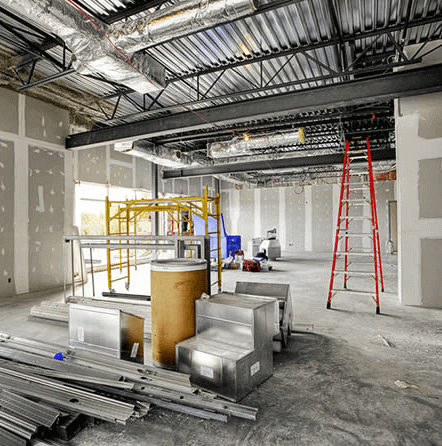
General contractors handle job finances by determining prices, collecting offers from vendors, keeping tabs on spending, and adjusting budgets as necessary. view this Hickory top rated Commercial General Contractor. They ensure that funds are appropriate for the project, boosting productivity and reducing monetary exposure
Can a General Contractor Assist With Permits and Regulations?
Certainly, a building contractor can aid in permits and regulations by guiding through the complex requirements, guaranteeing adherence to local regulations, and simplifying the paperwork, which speeds up the job's progress and reducing possible holdups for customers.
What is the Standard Duration for Selecting a GC?

The typical timeline for hiring a general contractor spans a few weeks to several months, based on the complexity of the project, contractor availability, and how quickly the client makes decisions, ensuring proper planning and that goals are aligned with construction. - Hickory top rated Commercial General Contractor
- Hickory top rated Commercial General Contractor
How Can General Contractors Effectively Manage Subcontractors?
Effective management of subcontractors by general contractors is achieved by establishing clear communication, setting defined expectations, regularly monitoring progress, and coordinating schedules. General contractors ensure all parties know their roles, thereby fostering collaboration to maintain project timelines and quality standards.